Physiotherapy
Whatever’s holding your body back — an injury, surgery, chronic pain, or a skill you’re working to regain — our physiotherapy team builds a plan around how you actually move. From hands-on treatment to advanced technology and graded return-to-activity programs, we work alongside your broader care team, including concussion and mental health support, so every part of your recovery moves in the same direction.
What Is Physiotherapy?
Physiotherapy is a movement-based, evidence-informed approach to assessing and treating pain, injury, and functional limitations. Rather than treating symptoms in isolation, your physiotherapist looks at how your whole body moves, compensates, and recovers — building a plan that combines hands-on treatment, targeted exercise, education, and a clear, graded path back to what you want to do.
What It Does
Restores strength, mobility, and function after injury, surgery, or the onset of a health condition. It also plays a preventive role — identifying imbalances or risk factors before they become bigger problems, and supporting performance for anyone from a competitive athlete to someone simply wanting to move through life with less pain and more confidence.
Who It Helps
People at every stage of life and every level of ability — children with developmental delays, athletes chasing performance gains, adults recovering from surgery or injury, seniors working to stay steady on their feet, and anyone managing a chronic condition that affects how they move.
How It Helps
Your physiotherapist starts with a thorough movement assessment to understand what's actually driving your pain or limitation — not just where it hurts. From there, treatment may include manual therapy, targeted exercise prescription, advanced technology-based interventions, and ongoing education, all building toward measurable, functional goals.
What We Help With
Click any service for what it is, who it helps, and the evidence behind it.
Injury, Pain & Recovery
Post-Injury & Post-Surgery Rehabilitation
What it is: A structured recovery program combining hands-on treatment and progressive exercise, customized to your specific injury or surgical procedure and its healing timeline.
Who it helps: Anyone recovering from orthopedic surgery (joint replacements, ligament repairs), fractures, sprains, or soft tissue injuries — from young athletes to seniors regaining independence after surgery.
The evidence behind it: Structured post-surgical physiotherapy is a standard, evidence-based component of orthopedic care, shown to improve recovery speed, strength outcomes, and long-term joint function.
Return to School, Sport, or Work
-
What it is: A graded, milestone-based program that safely rebuilds your physical capacity and confidence, matched to the specific demands of your classroom, sport, or job.
Who it helps: Students returning after injury or concussion, athletes cleared to resume training, and workers returning to physically demanding roles.
The evidence behind it: Graded return-to-activity protocols are widely supported in clinical guidelines, particularly for concussion and musculoskeletal injury, as a way to reduce re-injury risk.
Chronic Pain Management
What it is: A whole-person approach combining movement, education, and hands-on treatment to reduce pain and rebuild function, rather than focusing on pain alone.
Who it helps: Adults and seniors living with long-standing pain conditions such as arthritis, fibromyalgia, or back pain that hasn’t responded to rest alone.
The evidence behind it: Active, exercise-based physiotherapy is strongly recommended in clinical guidelines for chronic pain, often outperforming passive treatments alone.
Concussion & Neurological Care
Concussion Management with Vestibular Therapy
Dizziness, balance, and visual-motor symptoms after concussion.
What it is: A specialized combination of vestibular (balance/inner-ear) retraining and graded exertion therapy to address the specific symptoms a concussion leaves behind.
Who it helps: Children, youth, and adults experiencing dizziness, balance problems, or visual-motor symptoms after a concussion.
The evidence behind it: Vestibular rehabilitation is supported by strong clinical evidence for reducing concussion-related dizziness and speeding safe return to activity.
Spinal Cord Injury
Specialized rehabilitation to maximize function, mobility, and independence.
What it is: Specialized, long-term rehabilitation focused on maximizing strength, mobility, and independence based on your specific level and type of injury.
Who it helps: Adults and children living with spinal cord injuries from trauma or illness, at any stage of recovery.
The evidence behind it: Intensive, individualized rehabilitation is the clinical standard of care for spinal cord injury and is associated with meaningfully better functional outcomes
Amputation Rehabilitation
Building strength, mobility, and confidence with a new physical reality.
What it is: Comprehensive support through every stage of amputation recovery — from early healing and strength-building to prosthetic training and confident, independent movement.
Who it helps: Adults and children adjusting to limb loss from injury, illness, or congenital conditions.
The evidence behind it: Structured post-amputation rehabilitation is well-established in clinical practice as essential to successful prosthetic use and long-term mobility.
Falls Prevention & Healthy Aging
Falls Risk Assessment & Prevention
Technology-measured balance and falls risk — before a fall happens.
What it is: An objective, technology-measured evaluation of your strength, balance, and mobility, used to build a personalized program that reduces your risk of falling.
Who it helps: Older adults, and anyone with a health condition affecting balance or stability.
The evidence behind it: Falls-prevention exercise programs are strongly supported by research as one of the most effective ways to reduce fall risk in older adults.
Cancer-Related & Pelvic Health
Post-Cancer Physiotherapy
Recovery of strength, mobility, and function after cancer treatment.
What it is: Rehabilitation focused on rebuilding strength, energy, and function that may have been affected by cancer treatment.
Who it helps: Adults recovering from any stage or type of cancer treatment, including surgery, chemotherapy, or radiation.
The evidence behind it: Oncology rehabilitation is increasingly recognized in clinical guidelines as an important part of cancer recovery, improving strength, fatigue, and quality of life.
Pelvic Physiotherapy (including Prostate-Related Care)
Pelvic health and recovery following prostate-related treatment.
What it is: Specialized, private, and respectful treatment addressing pelvic floor function, often following prostate surgery or other pelvic health concerns.
Who it helps: Men recovering from prostate-related surgery, as well as others experiencing pelvic floor dysfunction.
The evidence behind it: Pelvic floor physiotherapy is a recommended, evidence-supported treatment for post-prostatectomy urinary incontinence and related concerns.
Lymphedema & Compression Care
Lymphedema Therapy & ADP-Funded Compression Garments
Drainage, compression, and guidance through Ontario’s ADP funding.
What it is: Manual lymphatic drainage, compression therapy, and education to manage lymphedema, along with support accessing funded compression garments.
Who it helps: Anyone managing lymphedema, including after cancer treatment or surgery involving lymph node removal.
The evidence behind it: Complete Decongestive Therapy, including manual lymphatic drainage and compression, is the recognized clinical standard for lymphedema management.
Children & Developmental Support
Gross Motor Development
Strength, coordination, and injury-resilience for young athletes.
What it is: Age-appropriate strength, coordination, and movement training to support young athletes as they grow, while reducing injury risk.
Who it helps: Children and youth involved in organized sport or activity, at any skill level.
The evidence behind it: Structured, age-appropriate strength and movement training in youth athletes is supported by research showing reduced injury rates.
Pediatric Athletic Development
Foundational movement skills for children with delays or challenges.
What it is: Play-based, developmentally-guided treatment to help children build foundational movement skills like walking, running, and balance.
Who it helps: Children ages 4 and up showing delays or differences in movement development.
The evidence behind it: Early physiotherapy intervention for developmental delays is well-supported in pediatric research for improving long-term motor outcomes.
Athletic Performance
Performance Enhancement (Children & Adults)
Technology-supported assessment to fine-tune training and reduce injury risk.
What it is: Age-appropriate strength, coordination, and movement training to support young athletes as they grow, while reducing injury risk.
Who it helps: Children and youth involved in organized sport or activity, at any skill level.
The evidence behind it: Structured, age-appropriate strength and movement training in youth athletes is supported by research showing reduced injury rates.
Physiotherapy at Every Age & Stage

Children
Play-based movement support to help kids build strength, coordination, and confidence — from early developmental milestones to sport-related injuries.
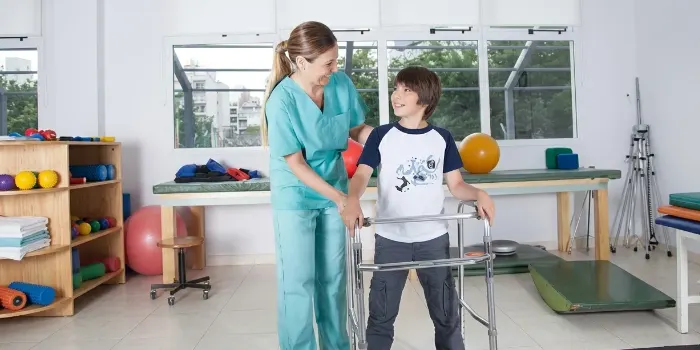
Teens & Youth
Movement-focused care for growing bodies, from sports injuries and growth-related pain to concussion recovery and building lifelong movement confidence.
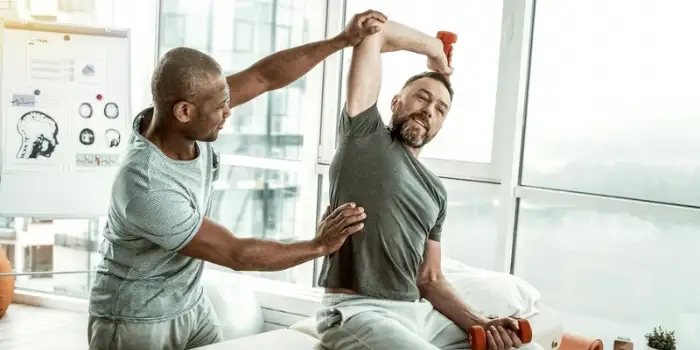
Adults
Targeted treatment for injury, pain, and performance — helping you recover fully, move confidently, and get back to the activities and work that matter to you.

Seniors
Specialized care to protect strength, balance, and independence as you age — including objective falls risk measurement and tailored prevention programs.
Not Sure If You Need Physiotherapy? Take a Quick Self-Assessment
These short self-assessments help you (or your child, or a loved one) get a quick, personalized read on whether physiotherapy could help — no appointment needed to find out.
Techniques & Technology We Use
Manual Therapy
Hands-on techniques to improve mobility, reduce pain, and support healing.
What it is: Hands-on techniques, including joint mobilization and soft tissue work, used to improve movement and reduce pain.
Who it helps: Nearly all physiotherapy clients, often as one part of a broader treatment plan.
The evidence behind it: Manual therapy has a substantial evidence base supporting its use for musculoskeletal pain and mobility restrictions, particularly combined with exercise
Myofascial Release
Hands-on pressure to release tight, restricted tissue.
What it is: A manual therapy technique using sustained, gentle pressure into the fascia — the connective tissue surrounding muscles — to release tightness, improve mobility, and reduce pain.
Who it helps: Adults with muscle tightness, restricted movement, or pain linked to fascial restrictions, often following injury, overuse, surgery, or prolonged poor posture.
The evidence behind it: Myofascial release has moderate evidence for short-term improvements in pain and range of motion, and is often used alongside other physiotherapy techniques rather than as a standalone treatment.
Shockwave Therapy
Acoustic pressure waves that stimulate healing in stubborn soft tissue injuries.
What it is: A non-invasive treatment using focused acoustic pressure waves to stimulate the body’s natural healing response in stubborn soft tissue injuries.
Who it helps: Adults with chronic tendon injuries (like tennis elbow or plantar fasciitis) that haven’t responded to other treatment.
The evidence behind it: Extracorporeal shockwave therapy has solid clinical research support for chronic tendinopathies, particularly plantar fasciitis and calcific tendinitis.
Dolphin Neurostimulation
Microcurrent therapy for scar tissue management and pain relief.
What it is: A specialized microcurrent therapy combining modern neuroscience with traditional acupuncture principles to reduce pain and support scar tissue healing.
Who it helps: Anyone managing chronic pain, or recovering from surgical or injury-related scarring — including C-section scarring.
The evidence behind it: Microcurrent point stimulation techniques have supporting clinical evidence for pain reduction, though the overall evidence base is still developing relative to more established modalities.
Acupuncture
Fine needles at specific points to relieve pain and support recovery.
What it is: A traditional technique using fine needles at specific points on the body to relieve pain and support the body’s natural healing response.
Who it helps: Adults managing pain, muscle tension, or recovering from injury, often alongside other physiotherapy treatment.
The evidence behind it: Acupuncture has moderate-to-strong evidence support for certain types of pain, including chronic low back pain and osteoarthritis.
Dry Needling
Thin needles target tight, painful muscle trigger points to release tension.
What it is: A technique using thin needles inserted directly into tight or overactive muscle “trigger points” to release tension, reduce pain, and restore normal muscle function.
Who it helps: Adults with muscle tightness, trigger points, or myofascial pain — often used alongside physiotherapy to treat conditions like neck and back pain, headaches, or sports injuries.
The evidence behind it: Dry needling has good evidence for short-term pain relief and improved range of motion when combined with other physiotherapy treatment, particularly for myofascial and musculoskeletal pain.
Vestibular Therapy
Retraining the brain’s balance systems after concussion or inner-ear issues.
What it is: Targeted exercises that retrain the brain’s balance and coordination systems, addressing dizziness and unsteadiness.
Who it helps: Anyone experiencing dizziness or balance problems following concussion, inner-ear conditions, or as part of aging.
The evidence behind it: Vestibular rehabilitation has strong clinical evidence supporting its effectiveness for reducing dizziness and improving balance.
Concussion Management
Guided rehabilitation to help the brain and body recover safely.
What it is: A structured, evidence-based approach combining vestibular and oculomotor exercises, sub-symptom threshold aerobic exercise, and manual therapy for the neck to address the specific systems disrupted after a concussion — rather than relying on rest alone.
Who it helps: Adults, athletes, and youth recovering from a concussion or persistent post-concussion symptoms such as dizziness, headaches, visual disturbances, neck pain, or difficulty concentrating — including those cleared for a gradual return to sport, school, or work.
The evidence behind it: Current clinical guidelines have shifted away from prolonged rest, showing that early, individualized active rehabilitation — including targeted exercise and manual therapy — leads to faster, more complete recovery than rest alone.
TENS / Electrical Stimulation
Low-level electrical pulses to help modulate pain.
What it is: A technique using electrodes placed on the skin to deliver low-level electrical pulses, helping to interrupt pain signals and encourage the release of the body’s natural pain-relieving chemicals.
Who it helps: Adults managing acute or chronic pain — including muscle strains, arthritis, or post-surgical discomfort — often used as a supportive tool alongside active treatment.
The evidence behind it: TENS has moderate evidence for short-term pain relief, though effects are generally temporary and it works best when combined with exercise and other physiotherapy treatment rather than used alone.
Ultrasound Therapy
Sound waves directed at tissue to support healing.
What it is: Focused sound waves directed at injured or painful tissue to boost circulation, ease inflammation, and speed your body’s natural repair process. Delivered through a handheld device, the waves generate deep heat and mechanical vibration in soft tissue.
Who it helps: Adults recovering from soft tissue injuries, tendon or ligament strains, or localized inflammation, typically as part of a broader treatment plan.
The evidence behind it: Evidence for ultrasound therapy is mixed — some studies show modest benefits for tissue healing and pain, while others show little difference from placebo, so it’s generally used as a complement to active treatment rather than a primary intervention.
Taping (Kinesiology & Rigid)
External support to stabilize joints and guide movement.
What it is: The application of flexible (kinesiology) or rigid athletic tape to the skin, used to support muscles and joints, improve movement awareness, or restrict unwanted motion during activity or recovery.
Who it helps: Adults and athletes managing joint instability, muscle strains, or sports injuries, or anyone who benefits from added proprioceptive feedback during movement or return-to-activity.
The evidence behind it: Taping has good evidence for improving proprioception (body awareness) and providing short-term joint support, though it’s typically used alongside — not in place of — active rehabilitation.
Interferential Current Therapy (IFC)
Gentle electrical currents that interrupt pain signals below the skin.
What it is: Gentle electrical currents applied through the skin to interrupt pain signals, ease inflammation, and boost circulation — a comfortable, non-invasive way to support your recovery. Two medium-frequency currents cross beneath the surface, reaching deeper tissue than surface stimulation alone.
Who it helps: Adults managing acute or chronic pain, swelling, or muscle spasm — including back and neck pain, arthritis, and post-surgical or post-injury recovery — usually alongside active rehabilitation.
The evidence behind it: Interferential current has moderate evidence for short-term pain relief and reduced swelling, and is best used as a comfort-and-mobility aid that makes active treatment easier rather than as a standalone therapy.
Dynamic Compression Therapy
Inflatable sleeves that massage the limbs to flush swelling and speed recovery.
What it is: Full-limb inflatable sleeves — for the legs, arms, or hips — that inflate and release in a timed, wave-like sequence, gently massaging the limb from the extremity toward the body. The rhythmic pressure moves fluid and metabolic waste out of the tissue, boosts circulation, and eases the heaviness and soreness that follow hard training, injury, or long periods of inactivity.
Who it helps: Athletes recovering between training sessions or competitions, adults with swelling, heaviness, or poor circulation in the limbs, and anyone recovering from injury or surgery where reducing swelling and restoring circulation supports healing.
The evidence behind it: Intermittent pneumatic compression has good evidence for reducing swelling and improving circulation, and moderate evidence for easing delayed-onset muscle soreness and perceived recovery after intense exercise. Not suitable for everyone — your physiotherapist will screen for conditions such as blood clots, active infection, or uncontrolled heart failure before use.
Lymphedema Management & Compression Garments
Drainage, compression, and help navigating ADP funding.
What it is: Lymphedema therapy and ADP-funded compression garments, giving you drainage and compression support along with guidance through Ontario’s funding programs. Care includes manual lymphatic drainage, compression fitting, skin care, and self-management education.
Who it helps: Anyone living with lymphedema or persistent swelling — including after cancer treatment, lymph node removal, surgery, or injury — and those needing help accessing Assistive Devices Program funding for garments.
The evidence behind it: Complete decongestive therapy — manual lymphatic drainage combined with compression — is the established standard of care for lymphedema, with strong evidence for reducing limb volume and preventing progression.
Laser & Light Therapy
Red light, photobiomodulation, and cold laser to calm pain and support repair.
What it is: Light and laser-based treatments that ease pain and support healing: red light therapy uses red and near-infrared wavelengths to reduce inflammation and support tissue repair; laser photobiomodulation applies low-level laser light to stimulate cellular repair; and cold laser therapy is a non-thermal laser treatment used to relieve pain and support tissue healing.
Who it helps: Adults with tendon and soft tissue injuries, joint pain, arthritis, slow-healing wounds, or persistent inflammation, typically as one part of a broader treatment plan.
The evidence behind it: Photobiomodulation has a growing evidence base for short-term pain relief and improved tissue healing in musculoskeletal conditions, with results depending on dose, wavelength, and treatment frequency.
Custom Foot Orthotics
Custom-molded inserts built around your foot shape and gait.
What it is: Custom-molded inserts built around your unique foot shape and gait to improve alignment, relieve pressure points, and ease pain with every step. Fitting includes a gait and footwear assessment so the orthotic addresses how you actually move.
Who it helps: Adults and children with foot, ankle, knee, hip, or low back pain linked to alignment or gait — including plantar fasciitis, flat feet, high arches, diabetes-related foot concerns, and pain from prolonged standing or walking.
The evidence behind it: Custom foot orthotics have good evidence for reducing pain and improving function in plantar heel pain and certain alignment-related conditions, particularly when paired with strengthening and footwear changes. Often covered by Extended Health Benefit plans.
Advanced Falls Risk & Movement Technology
FDA-cleared tools for objective, precise balance and movement data.
What it is: FDA-cleared devices that objectively measure strength, balance, and movement patterns, replacing guesswork with precise data.
Who it helps: Seniors concerned about falls, and anyone wanting an objective baseline of their physical function.
The evidence behind it: Technology-based movement assessment is increasingly used in clinical and research settings to identify falls risk with greater precision than observation alone.
Sessions may be covered by Extended Health Benefit plans — we provide upfront pricing and can help you understand your coverage.

Where We See You
Care that fits your life, not the other way around. Choose the format that works for you — or mix them as your needs change.
Ready to get started?
Not sure which service is right for you, your child, or your loved one? That’s exactly what our intake process is for. We’ll walk you through your options and connect you with the right physiotherapist for your goals.
What to Expect
Assessment
A thorough movement-based assessment of your pain, injury history, and functional goals to establish a clear starting point.
Personalized Plan
Targeted exercise, manual therapy, and education built around your schedule, symptoms, and capacity.
Graded Progression
Progress is reviewed regularly and your plan adjusts as you improve, with clear communication across your care team.
Why Clients Trust Us
Specialized Training
Registered physiotherapists with specialized training across pediatric, athletic, neurological, oncology, and pelvic health populations — not a one-size-fits-all approach.
State-of-the-Art Technology
From falls-risk measurement tools to Dolphin Neurostimulation and shockwave therapy — objective, measurable data behind every treatment decision.
Support With Funding & Access
Including guidance through Ontario’s ADP program for compression garments, so cost isn't a barrier to the equipment you need.
Flexible Care, Your Way
In-clinic, in-home, or virtual — so your recovery fits into your life, not the other way around.
FAQs About Physiotherapy
People often have questions about physiotherapy, the conditions we treat, and what to expect from care. Here are answers to help you understand your options and find the right support for your recovery and movement goals.

Integrated From the Start
Providers Who Actually Talk
Honest About Access, Cost, and Timing
Ready to Build a Plan That Works for You
You do not need a perfect plan to reach out. A free consultation is where most clients start — a straightforward conversation about what you are dealing with, what has worked, and what has not. From there, we will recommend the right service or combination and walk you through timing, cost, and coverage.
Holistic health services are offered in person at select Ontario clinics, virtually across Ontario, and in-home or community in select Ontario regions, depending on the service. Daytime, evening, and weekend appointments available. MVA, VAC, WSIB, and most extended health plans accepted.
New Clients
New clients may request a consultation using the form below or may book an appointment immediately using Jane.
Returning Clients
Call Us
289-547-5911